Gaiwans
The gaiwan brings direct control, clarity, and quiet precision to the rhythm of tea ceremony.
Explore Ceremony SetsWhat a Gaiwan Brings to the Ceremony
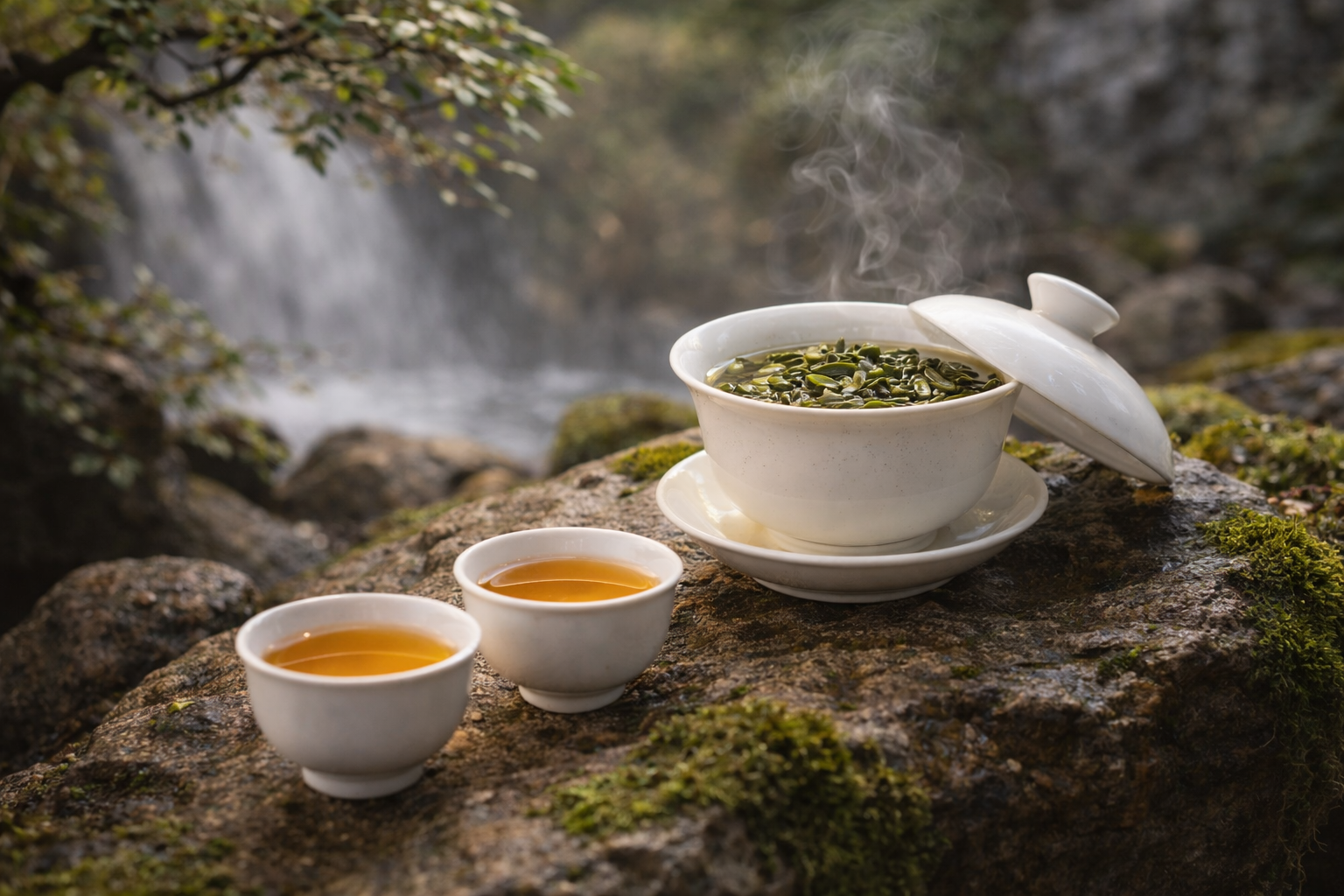
A gaiwan is one of the most recognizable brewing vessels in tea ceremony. With its bowl, lid, and saucer, it allows tea to be brewed with direct control and close attention to the leaves as they open through each infusion.
Within a complete ceremony set, the gaiwan creates a different feeling from a teapot. It places the brewing process more openly in the hands of the person preparing the tea, making the ritual feel immediate, precise, and highly attentive.
The Role of the Gaiwan
A gaiwan gives the brewer direct connection to the tea, allowing each infusion to be guided with precision, visibility, and control.
In gongfu-style tea, the gaiwan is valued for how clearly it reveals the leaves and responds to the hand. The lid helps guide the pour, control infusion time, and manage the brewing process with an immediacy that becomes part of the ritual itself.
What to Expect from a Gaiwan in Tea Ceremony
A gaiwan supports the ceremony by making brewing feel visible, deliberate, and closely connected to each infusion.
Direct Control
A gaiwan gives direct influence over steeping time, lid position, and pouring rhythm, making the brewing process highly intentional.
Clear View of the Leaves
Because the vessel is open and simple in form, the gaiwan allows the character of the tea leaves to be seen as they gradually unfold.
Precision Across Infusions
In repeated brewing, the gaiwan supports careful control from one infusion to the next, helping subtle changes in the tea appear more clearly.
Different Gaiwan Styles
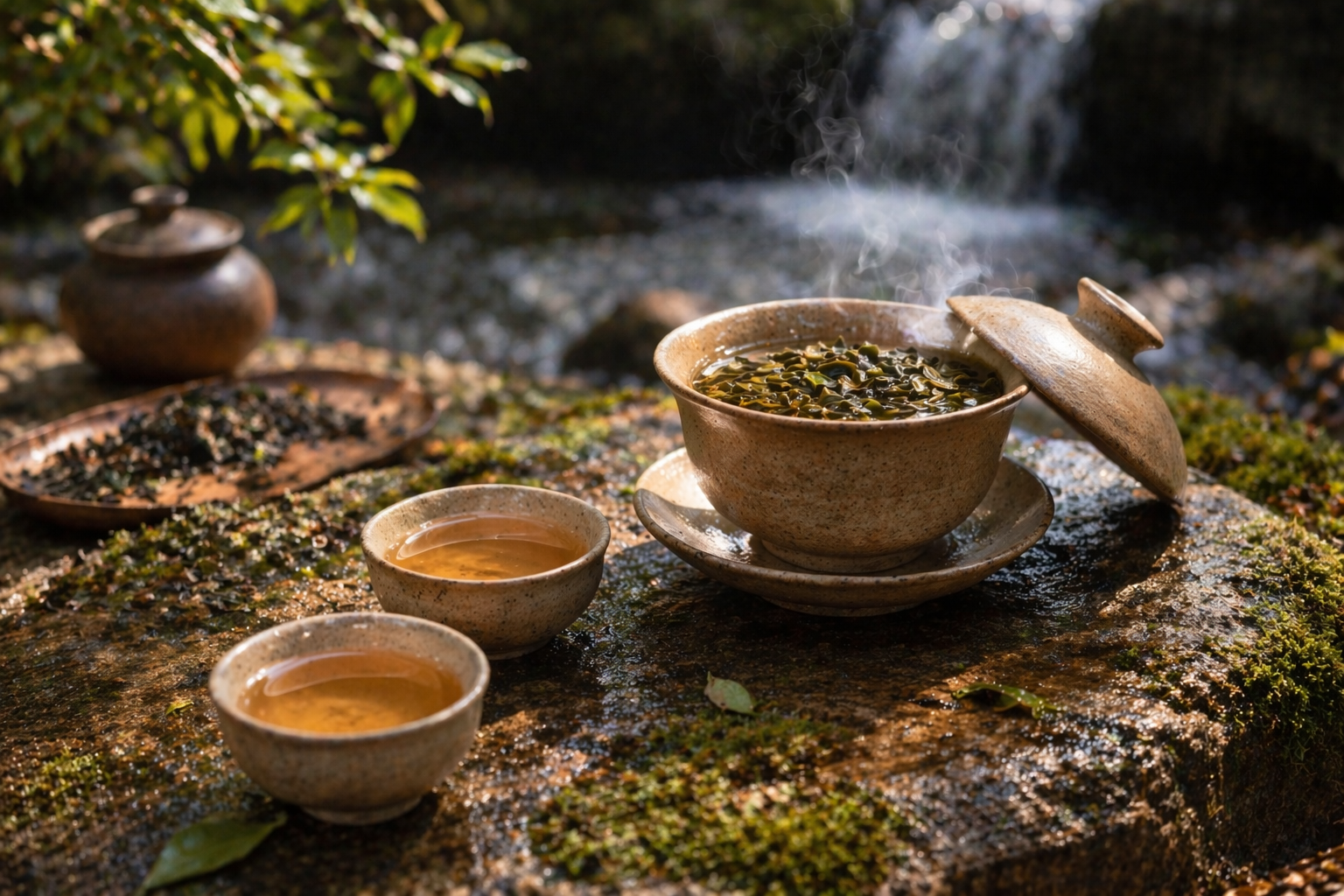
Gaiwans come in different proportions, sizes, and forms. Some feel wider and more open, while others are slightly deeper or more compact in the hand.
These differences influence how the gaiwan pours and how the brewing feels during the session, but the essential purpose remains the same: to prepare tea with clarity and attentive control.
Different Gaiwan Materials
Gaiwans are often made from porcelain, ceramic, glass, or other materials used in tea culture. The material affects heat, touch, and the visual impression of the tea during brewing.
Some materials emphasize brightness and neutrality, while others bring more texture, warmth, or visual softness to the ceremony.
Common Gaiwan Materials in Tea Ceremony
The material of the gaiwan influences not only the brewing feel, but also the way the vessel contributes to the atmosphere of the set.
Porcelain
Porcelain gaiwans are often valued for clarity, lightness, and a clean brewing presentation that keeps attention on the tea itself.
Ceramic
Ceramic gaiwans can bring a slightly softer and more grounded presence, combining practical function with quiet visual character.
Glass
Glass gaiwans highlight visibility, allowing the leaves and liquor to be seen more fully as the tea opens through each infusion.
The Gaiwan as Part of a Complete Set
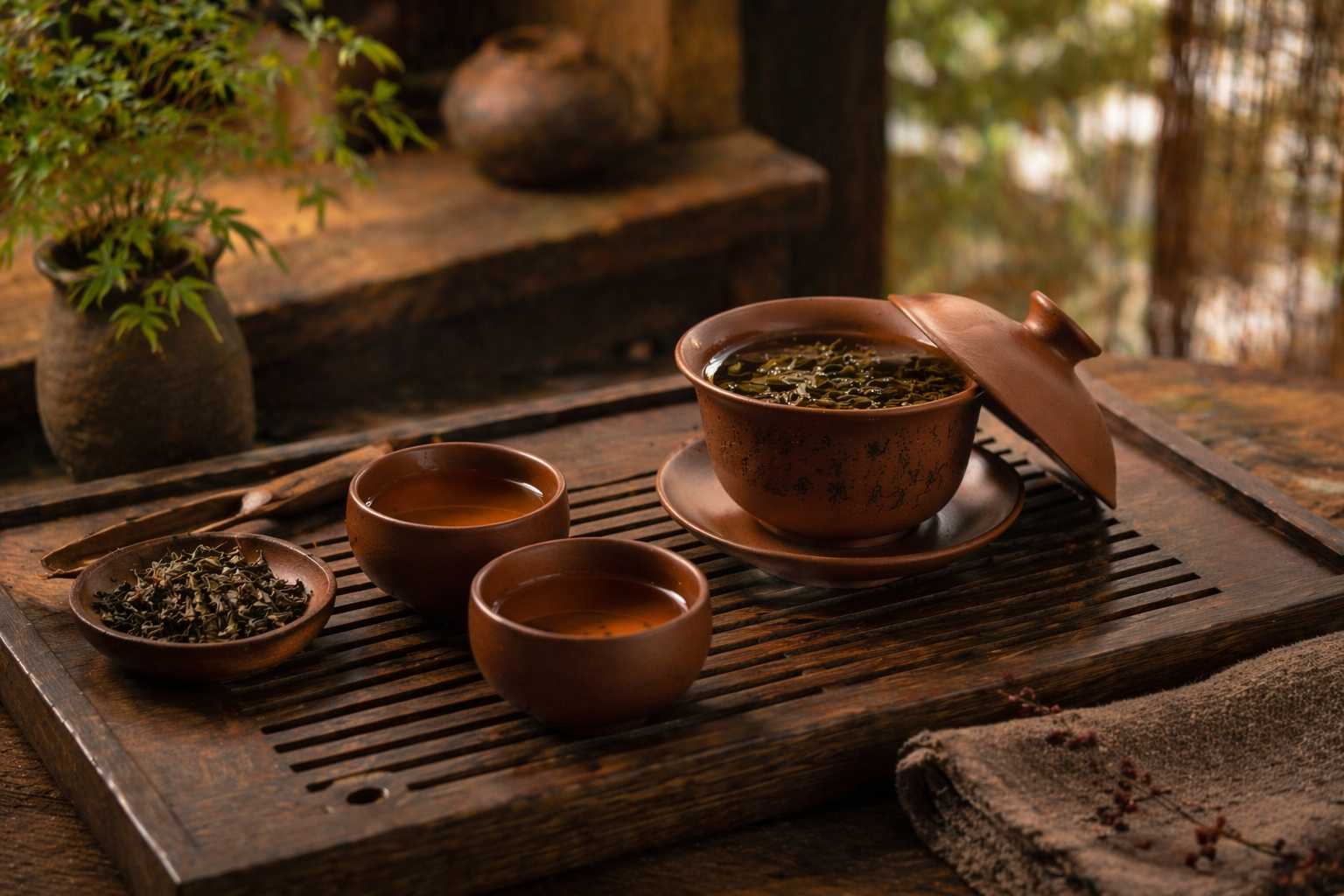
A gaiwan reaches its full purpose when it works together with the rest of the tea ceremony set. The tray creates order, the cups receive the tea, and the surrounding tools help the brewing process unfold smoothly and naturally.
On its own, a gaiwan is a brewing vessel. Within a complete ceremony set, it becomes part of a larger rhythm that connects preparation, pouring, and serving into one cohesive experience.
That is why complete sets matter. They turn individual pieces into a balanced tea environment rather than separate objects.
The Gaiwan Within the Ritual
In tea ceremony, the gaiwan makes brewing feel open, precise, and closely connected to the unfolding character of the tea.
Stepman's Tea presents complete ceremony sets where the gaiwan is not separated from the ritual, but placed within the full environment of the tray, the cups, and the sequence of serving. That is where its purpose becomes complete.